Resident seeks guidance after joining multiple book clubs
March 23, 2026
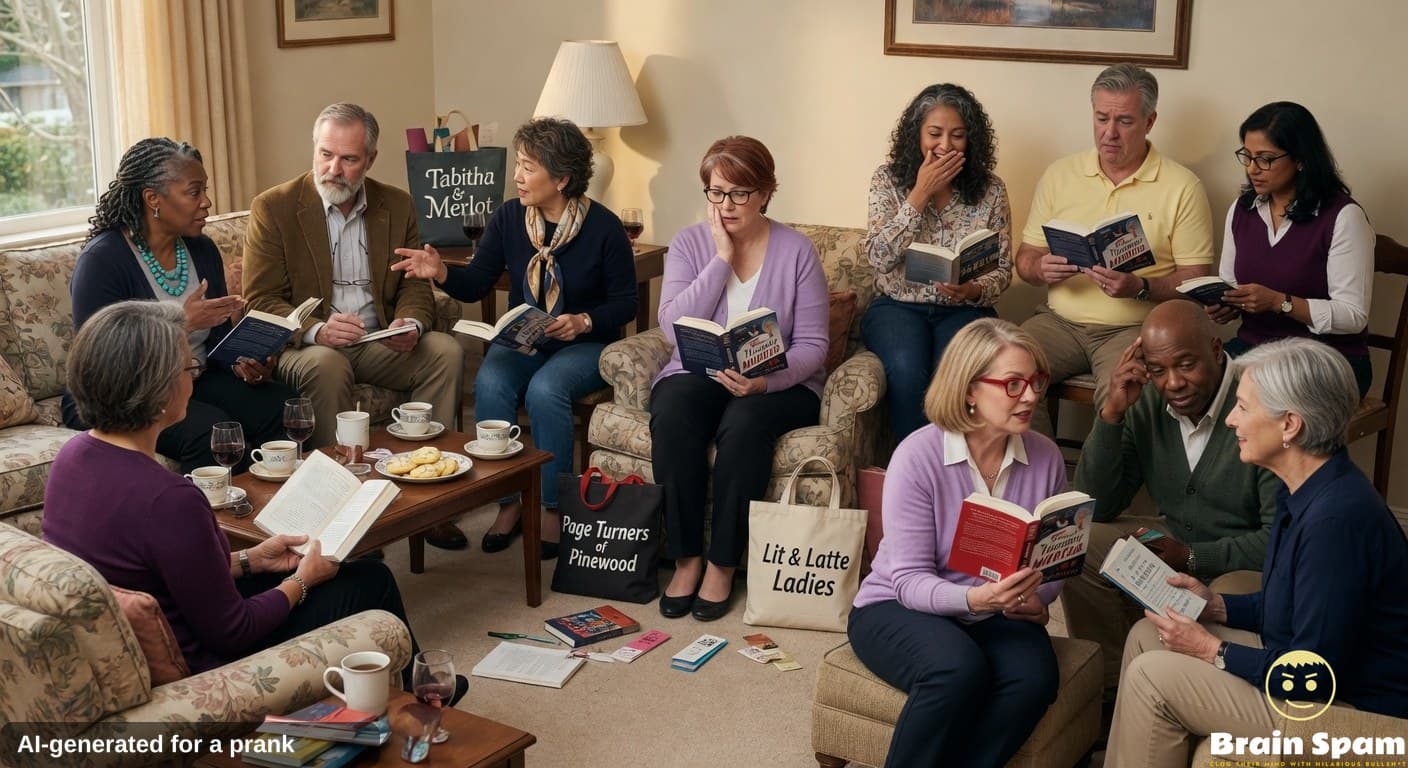
Tabitha Wren reached out to the advice column on March 23, 2026, from her neighborhood after discovering she had joined three separate book clubs without meaning to do so. The situation began when she signed up for one group focused on contemporary fiction and later received invitations to two others centered on classics and mystery novels. She now faces overlapping meeting dates and a growing stack of required reading that leaves little time for other activities. Neighbors noted the confusion during recent gatherings where she appeared with multiple books in hand. The unintended memberships have created a schedule that requires careful planning to avoid conflicts each week.
The Overlapping Commitments
Tabitha Wren described her days as filled with attempts to balance the different reading lists while attending sessions that often fall on the same evenings. One club meets on Tuesdays to discuss plot developments in detail while another gathers on Wednesdays for in depth character analysis. The third group holds weekend events that require preparation of discussion questions in advance. This arrangement leaves her with limited personal time and a sense of constant catch up on the assigned titles. Local observers mentioned seeing her carry several volumes at once during routine errands around the area.
Community Observations
Residents in the neighborhood expressed mild surprise at the extent of the memberships though they offered general support for her efforts to manage the load. The book clubs themselves continue their regular activities with discussions on various genres that attract steady participation from others in the area. Tabitha Wren has considered ways to streamline her involvement such as selecting key chapters from each book to focus on during meetings. The overall atmosphere remains friendly as participants share recommendations without pressure to attend every event. This setup highlights the common challenge of fitting extra activities into busy routines.
Background on Local Groups
Neighborhood book clubs have operated for several years as informal gatherings that encourage reading and social connection among residents. Each club maintains its own selection process for books and meeting formats that appeal to different preferences in the community. Tabitha Wren became involved through casual conversations that led to the multiple sign ups over a short period. The groups emphasize enjoyment of literature rather than strict attendance rules. Such organizations provide a low key way for people to engage with others who share similar interests in reading.
Managing the Reading Load
Tabitha Wren has explored options like alternating attendance or summarizing key points from the books to stay engaged across the clubs. The volume of material requires dedicated reading time each day that competes with work and family obligations. Participants in similar situations often find creative solutions to keep up without feeling overwhelmed by the commitments. The neighborhood setting allows for flexible participation that accommodates varying levels of involvement. This experience underscores the appeal of local groups while pointing to the need for clear boundaries when multiple options arise.
Ongoing Developments
Updates on the situation will be provided as Tabitha Wren determines the best approach moving forward. Readers with comparable experiences are encouraged to share their thoughts through the column contact form for potential inclusion in future discussions.
Related Searches
🎉Gotcha!
This satirical story was created by a BrainSpam user using the BrainSpam platform — a tool for generating fictional and humorous stories for entertainment.
Create your own at BrainSpam.com
Disclaimer: This article was created by a user of BrainSpam and is intended solely for satire, parody, and entertainment purposes.
BrainSpam is a platform that allows users to create fictional, humorous, or exaggerated stories about real or imaginary people and events.
The content above is not factual reporting and should not be interpreted as statements of fact. It reflects the creative expression of the individual user who created it, not the views of BrainSpam or its operators.
Real persons may be referenced as part of parody or commentary. Any resemblance to actual events or individuals is used in a satirical or fictional context.
BrainSpam does not verify or endorse user-generated content published on this platform.
More from AdviceColumns.com

Lifestyle
BREAKING EXCLUSIVE: SAMMY LIDDELL'S ICE LABELING QUESTION ROCKS THE OFFICE FRIDGE WORLD
Lifestyle
BREAKING EXCLUSIVE: HANK DOVERLY BEGS FOR ADVICE AFTER ROOMMATE TURNS EVERY MEAL INTO A NATURE DOCUMENTARY DISASTER - YOU WON'T BELIEVE THE CHAOS
Lifestyle
SHOCKING EXCLUSIVE: BENNETT OJO'S ACCIDENTAL TRIPLE BOOK CLUB JOIN SPARKS NEIGHBORHOOD PANIC YOU WON'T BELIEVE

Lifestyle
Florence Okeke Sparks Warm Reflections On Lasting Digital Bonds

Lifestyle
Yusuf Cardenas Thoughtful Query Inspires Community Warmth
Lifestyle